
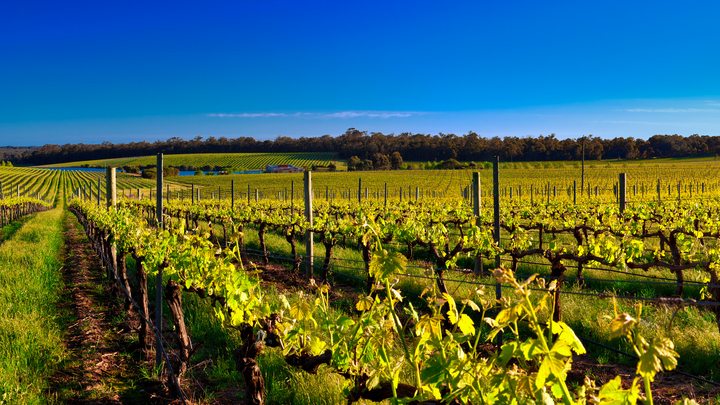
Premier Peter Malinauskas announced the package on Thursday at Wolf Blass winery in Nuriootpa, saying it would help struggling growers diversify their businesses and support efforts to boost international demand for Australian wine.
The centrepiece is an A$100m (€60.5m) loan scheme for growers moving out of unviable vineyards into other crops. Large-scale growers can access loans of up to A$500,000 (€302,500), smaller growers up to A$250,000 (€151,000), with no principal or interest due for the first two years. Malinauskas stressed the aim was not to dictate what growers plant, but to give them flexibility: "These people run their industry, they know their properties, they know their soils."
Additional funding includes A$5m (€3m) to extend the Global Wine Growth export support program, A$675,000 (€408,000) for a food-and-wine advertising campaign, and further sums for diversification advice and tackling surplus wine stocks. A new industry coordinator will also be appointed.
The package follows years of pressure on Australia's A$51.3bn (€31bn) wine industry. Exports fell 7% in value to A$2.30bn (€1.39bn) in the year to June 2026, with volumes dropping below 600 million litres for the first time since 2004. South Australia's Riverland region has been especially hard-hit, prompting Treasury Wine Estates to seek a buyer for its Markaranka property in July.
The downturn has also driven major restructuring: Endeavour Group is selling most of its winery assets, while Vinarchy is cutting 60 brands to focus on Hardys, Jacob's Creek and Campo Viejo. Australia's 2026 harvest, meanwhile, was the smallest in 25 years, with vintage value down 26% to A$837m (€506m).