The growing season was marked by severe drought and unprecedented heat. In the Hallertau region, precipitation between mid-June and mid-August totaled just 105 mm, while cumulative rainfall since May reached only around 210 mm — about half the long-term average. The region also recorded 45 days above 30°C, the longest and most intense heatwave in at least 25 years.
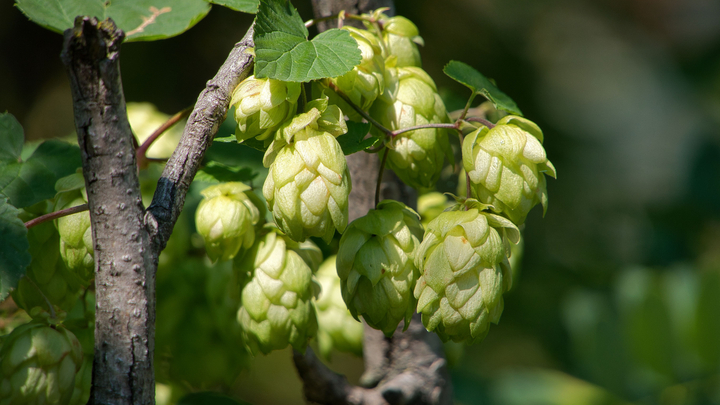
According to HVG, the extreme conditions significantly impaired flowering and cone development in early varieties, and for the first time, individual shoots in the upper canopy of the Herkules variety died back due to heat stress. Heat-tolerant varieties such as Polaris and Mandarina Bavaria fared notably better than classic varieties, while irrigated fields outperformed non-irrigated ones.
Pest pressure added to the challenges: aphid populations rose sharply early in the summer before being brought under control, spider mites resurged in August, and flea beetle populations continued their multi-year rise, with no effective countermeasures currently available.
Beyond volume losses, alpha acid content has also declined sharply — HVG estimates the alpha harvest will fall around 27% below average, with some varieties down as much as 40%. This is expected to trigger alpha acid clauses in relevant aroma hop contracts.
HVG estimates the shortfall will cost the German hop industry between €80 million and €100 million against a typical annual revenue of around €300 million, compounding pressure from consistently high production costs.
Despite the difficult harvest, HVG describes the 2026 crop as healthy and of good visual quality overall. The organization says it is working closely with customers and brewing partners to manage the impact and expressed confidence that, supported by existing brewery stocks and close supply-chain cooperation, the supply of high-quality German hops can be maintained.