Monster Beverage reported group net sales up 20.2% to 2.54 billion US dollars for the second quarter, with net income rising 19.6% to 584.5 million dollars. Excluding the Alcohol Brands division, net sales grew even faster, up 20.8%.
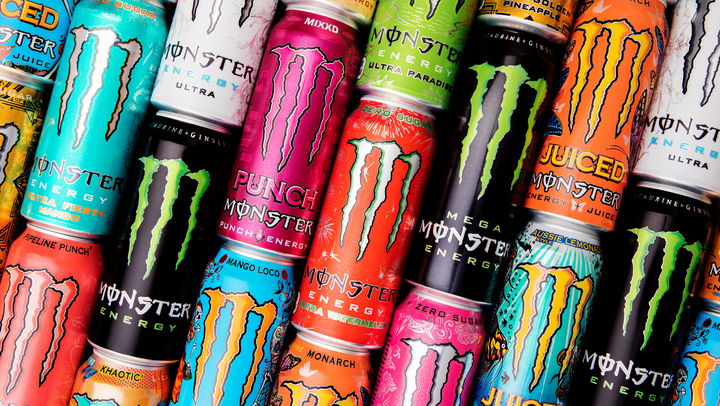
The Monster Energy Drinks division, which includes Monster Energy, Reign, Bang Energy and a growing range of wellness-oriented energy brands, saw sales climb 21.6% to 2.36 billion dollars. The company's Alcohol Brands division, covering craft beer, flavoured malt beverages and hard seltzers, moved in the opposite direction, with sales falling 15.2% to 32.2 million dollars from 38 million dollars a year earlier.
The divide is notable given that Monster deliberately expanded into alcohol only a few years ago. The company paid 330 million dollars for CANarchy Craft Brewery Collective in 2022, acquiring breweries including Oskar Blues and Deep Ellum and using the platform to extend the Monster name into alcoholic drinks. The Beast Unleashed, a 6% ABV flavoured malt beverage carrying familiar Monster flavours but without caffeine or an energy blend, followed in 2023. Monster's alcohol portfolio has since grown to include The Beast, Wild Basin hard seltzer, Jai Alai IPA, Dale's Pale Ale and other beer and flavoured malt beverage brands. Three years on, however, it is the original energy drinks business driving the company's growth, and Monster itself acknowledges its push into alcohol has not yet met expectations.
Chief executive Hilton Schlosberg pointed to the energy category's continued appeal, noting that it keeps drawing in new consumers, broadening the occasions on which people drink it, and reaching more households. Monster is responding by increasing spending on social media, digital advertising, sponsorships and endorsements to widen its consumer base further.
The strong energy performance builds on results already seen earlier in the year. Monster crossed 2 billion dollars in quarterly net sales for the first time in the first quarter of 2026, before surpassing 2.5 billion dollars in the second quarter. Year-over-year growth during the second quarter was in double digits across all four of the regions where Monster's brands are sold: sales in the United States and Canada rose around 12%, EMEA increased 27%, Asia Pacific grew 36% (including 63% in China and 84% in India), and Latin America climbed 56%, with Brazil up 82%. Argentina was the only market in Latin America to see a decline, down 26% compared with the prior year's second quarter.
International sales now make up a growing share of Monster's business, with net sales to customers outside the United States up 35% to 1.16 billion dollars, representing 46% of the company's total net sales.
Rising costs weighed on parts of the business during the quarter. Distribution expenses climbed to 119 million dollars from 82 million dollars a year earlier, driven by higher freight and fuel costs, while tariffs pushed up the Midwest Premium on aluminium, raising the cost of the company's cans. Schlosberg said the tariff situation remains complicated and unpredictable, and expects a further gradual rise in aluminium costs through at least the end of 2026, with the company continuing to use hedging strategies where possible.
Monster's flagship energy portfolio also includes Monster Ultra, Juice Monster, Java Monster, Storm Energy and FLRT, alongside the budget brands Predator and Fury sold outside the United States. A limited-edition Ultra Red, White and Blue drink launched in May to mark the 250th anniversary of the United States has made up 5% of the company's US sales since its release. New products and flavours are expected to be unveiled at the National Association of Convenience Stores show in Las Vegas in October, including further developments for FLRT, Monster's newer brand aimed at female consumers, which the company says is still in its early stages of marketing.
The Coca-Cola Company remains Monster's global distribution partner, and Schlosberg said he expects the two companies to keep working closely together, including through Coca-Cola's recent partnership with Marriott International, which Monster believes could help it reach more foodservice customers.