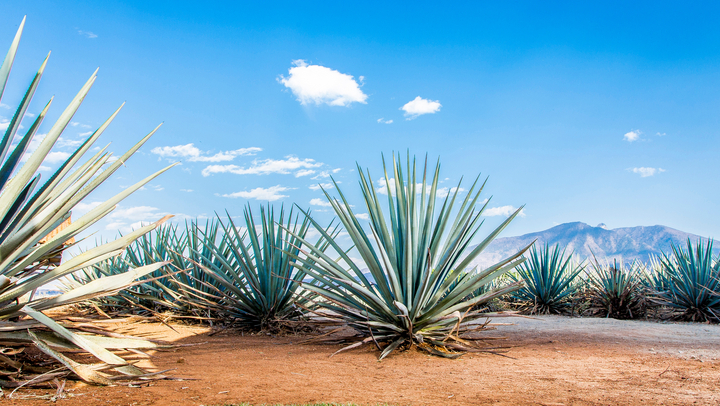
A federal judge in New York has thrown out a lawsuit brought by a group of consumers and restaurateurs, protecting the reputations of Diageo’s best-selling tequila brands. The plaintiffs claimed the tequilas were not made entirely from agave and that the 100% agave label was therefore misleading.
They sought heavy damages, arguing that they had paid a premium price for the allegedly impure products and had been personally harmed as a result.
US District Judge LaShann DeArcy Hall ruled that the plaintiffs had not shown systemic or widespread adulteration of Diageo’s tequilas. She found that the evidence from their laboratory testing was insufficient to support the claim. The court also deemed the sample size inadequate: the plaintiffs submitted results from just five tequila samples, which the judge said was too few to conclude that the company was engaging in systematic mislabeling across its products.
Diageo said it was gratified that the court rejected the adulteration allegations in their entirety. The company stated that Casamigos and Don Julio are made from 100% Blue Weber agave, that it is proud of and confident in the quality and integrity of its tequilas, and that it is pleased to put what it called baseless claims behind it. Throughout the case, Diageo had strenuously denied the accusations and at one point compared the lawsuit to flat-earthism.
Reuters reported that the plaintiffs’ lawyer disagreed with the ruling, saying it misrepresented the record, and that the plaintiffs may ask the court to reconsider.
According to Reuters, the claims were based on nuclear magnetic resonance testing, a technique said to isolate a carbon fingerprint in alcohol that corresponds to the plant source of the sugars used in fermentation. On the basis of these tests, which the court found insufficient, the lawsuit alleged that tequilas such as Casamigos Blanco contained as little as 33% agave-derived ethanol per bottle.
The judge noted that the plaintiffs submitted only the testing methodology, the results and the year the testing was commissioned. They did not establish a link in time or location between the products they purchased and the laboratory testing, which weakened their argument that they had been personally harmed by deceptively labeled liquor. Because the sample size was too small to extrapolate the findings to all Casamigos and Don Julio products, the plaintiffs failed to demonstrate widespread adulteration.
Similar cases against Lunazul, Cincoro, Dwayne Johnson’s Teremana, Kendall Jenner’s 818 and Costco’s Kirkland Signature brand are continuing in US courts. Each accuses the brand owner of adulterating its tequila with non-agave-derived alcohol, and all rely on nuclear magnetic resonance testing or similar carbon isotope ratio analysis.