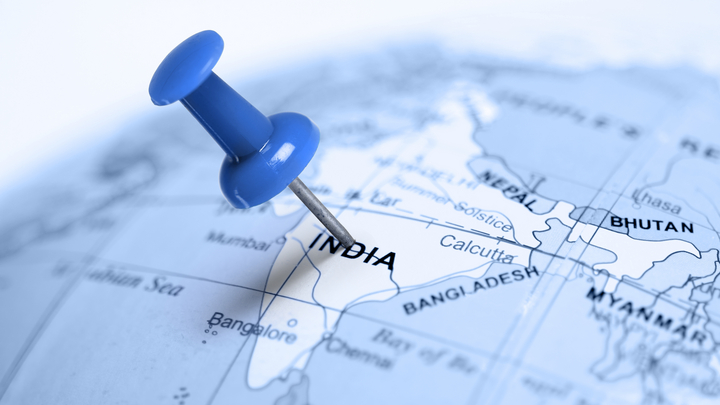
According to IWSR figures, India's spirits sector is on track for a 4% compound annual growth rate in value between 2025 and 2030, outpacing its projected volume growth by one percentage point. That builds on last year's performance, when the category posted a 4% rise in volume and a 6% increase in value.
Jason Holway, a senior research consultant at IWSR, attributed much of this expansion to a growing pool of drinkers, encompassing both consumers newly old enough to buy alcohol and those trying new products for the first time. He pointed out that these groups tend to have more disposable income and a greater willingness to experiment, prompting brand owners, importers and distributors to widen their offerings accordingly. Holway added that trade deals, including the recently signed agreement between the UK and India, could accelerate this further by lowering the cost of imported spirits, while reforms to state-level excise rules might also give consumers more options.
Tequila and other agave-based spirits were singled out as a particularly fast-growing segment. IWSR figures put Tequila's volume growth at 34% for 2025, with value nearly doubling that pace at 66%. Over the longer term, the category has grown at a compound annual rate of 32% in volume and 48% in value since 2019. That momentum is expected to continue, with forecasts pointing to 13% annual volume growth and 15% annual value growth for Tequila through 2030.
Even so, whisky still accounts for the largest share of spirits consumed in India, and both local and imported whiskies are projected to keep expanding. Domestic whisky volumes grew 4% last year, while Scotch whisky rose 5%. Over the coming five years, Scotch is expected to edge out Indian whisky slightly, with a projected 6% compound annual volume growth rate compared with 4% for its domestic counterpart, and similarly a 5% value increase against 4%.
Vodka has also been a strong performer, fuelled mainly by flavoured products, although demand for plain vodka is rising too. The category is forecast to grow at a 5% compound annual rate in both volume and value through 2030, after posting double-digit increases last year of 14% in volume and 12% in value.
Gin's growth has been linked to the spread of cocktail culture, which Holway characterised as a largely urban trend, both in social settings and at home. The category recorded 11% value growth and 3% volume growth last year, with projections showing 5% annual volume growth and 7% annual value growth to 2030.
The non-alcoholic spirits segment posted the most dramatic growth of all, albeit from an extremely small base, representing under 0.001% of total spirits volume nationally. Volume and value both surged by more than 350% last year, and the category is forecast to grow at a 56% compound annual rate in both metrics through 2030.
Holway singled out Uttar Pradesh, Andhra Pradesh and Kerala as states benefiting from improved retail infrastructure, which he said is creating more favourable conditions for alcohol sales. He expects this shift to particularly help brandy, a category traditionally concentrated in southern India. He also noted that Maharashtra introduced a dedicated local liquor category last summer to encourage domestic production, cutting excise duties to 270%, and said the resulting segment is now stabilising and reviving in-state distilling.
Regulation remains one of the sector's toughest hurdles, Holway said. With India viewed as a critical growth market, he expects international spirits companies to keep pursuing local partnerships, since building brand recognition state by state is a slow and complex process better handled by teaming up with players who have already navigated it. As a result, he anticipates continued merger and acquisition activity in the market.