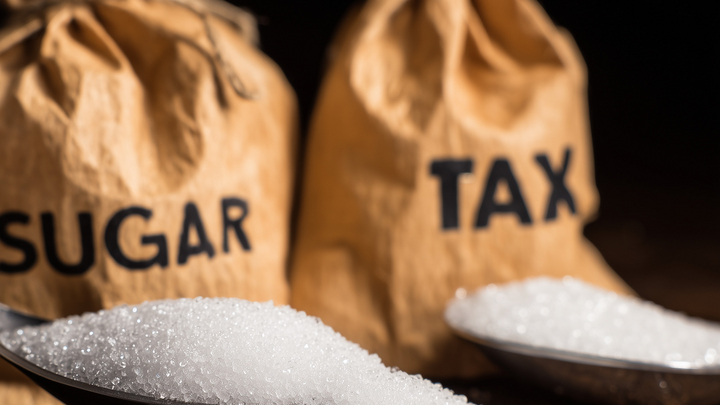
The government argues the tax, introduced in 2020, has become too low to meaningfully influence consumer behaviour — noting that an initial 19% drop in carbonated drink sales has since reversed. Under the proposal, the base rate for beverages with up to 5g sugar per 100ml would rise from PLN 0.50 to PLN 0.70 per litre, the variable charge for excess sugar would double to PLN 0.10 per gram, and the caffeine/taurine charge would jump tenfold to PLN 1.00 per litre. The maximum levy would rise from PLN 1.20 to PLN 1.80 per litre.
The scope would also expand significantly: all drink concentrates would be taxed at PLN 3 per litre/kg regardless of form, and drink-form dietary supplements over 200ml would be included — targeting products like sweetened fruit syrups the government says have been rebranded as supplements to dodge the levy. An existing exemption for juice-based drinks with sweeteners would also be scrapped.
The government frames the changes as both a public health measure and a revenue source for the National Health Fund (NFZ), which received 96.5% of current levy revenue and faces billions in obesity-related costs.
A coalition of 20 industry groups, including the Polish Federation of Food Industry (PFPŻ ZP), has called for the proposal's withdrawal, arguing it lacks evidence of health benefits, could undermine prior reformulation efforts, and may raise retail prices by 6–22%, fuelling cross-border shopping and hurting domestic manufacturers, fruit growers, and the sugar industry.
The draft is still in consultation and not yet law.