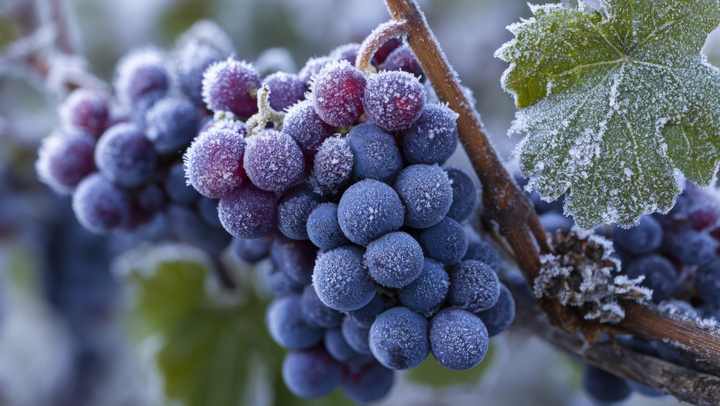
According to the Virginia Wine Board, a warm spring triggered early bud development before temperatures plunged to -11°C on 20–21 April, creating what producers described as a “perfect storm” for vineyards. Central and Northern Virginia were among the hardest-hit regions, particularly the Monticello AVA.
“Some people lost 80–90% of their vines and others more like 20%,” said Anna Anderson of the Virginia Wine Board at the London Wine Fair. Vineyards located at higher elevations were less affected, as frost settled more heavily in lower areas.
Early-blooming grape varieties such as Chardonnay suffered the greatest damage. Producers are now waiting to see whether secondary buds can help partially rescue the 2026 vintage, although yields are expected to remain significantly below normal levels.
The Virginia Wine Board said emergency support measures are under discussion, including the possibility of a grape exchange programme with other US states if local supply shortages continue. Despite the losses, producers remain optimistic about the long-term future of Virginia wine and are increasing efforts to expand their presence in international markets.