The findings will be presented by Carlos R. Soto Díaz, MPH, a PhD candidate at the University of North Carolina at Chapel Hill, at NUTRITION 2026, the flagship annual meeting of the American Society for Nutrition, held July 25–28 in National Harbor, Maryland. Soto Díaz conducted the research with Lindsey Smith Taillie, PhD, a professor at UNC Chapel Hill.
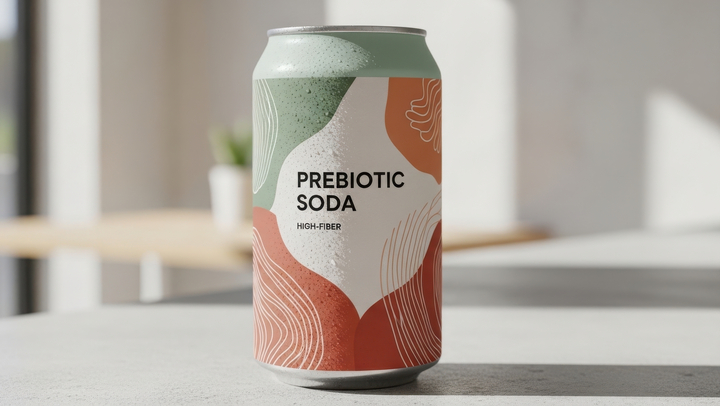
Prebiotic sodas are among the fastest-growing beverage segments in the U.S., with estimated sales of $777 million in 2025. Using the Mintel Global New Products Database, the researchers analyzed 108 prebiotic sodas launched in the U.S. between 2021 and 2025 — defined as carbonated beverages containing fiber that use the term "prebiotic" in the product name, package claims, or ingredient list — and compared their nutritional content to regular sodas, diet sodas, fruit drinks, and flavored sparkling waters introduced over the same period.
On average, prebiotic sodas contained about 35 calories, 5 grams of sugar, and 5 grams of fiber per 12-ounce can — lower in calories and sugar than regular sodas and fruit drinks, but higher than diet sodas and flavored sparkling waters. Nearly two-thirds contained non-nutritive sweeteners such as stevia, compared with over 90% of diet sodas, less than 28% of fruit drinks, 16% of flavored sparkling waters, and 12% of regular sodas. Fiber content varied widely, ranging from about 2 to 9 grams per can, and while prebiotic sodas consistently contained more fiber than the other beverage types studied, researchers noted that the term "prebiotic" is not tied to any specific fiber amount under U.S. labeling rules.
Some products carry claims such as "no added sugar" while still containing around 10 grams of total sugars from sources like juice — a discrepancy researchers say could create a "health halo" effect, leading consumers to believe a product is healthier than its overall nutritional profile suggests.
"I would encourage consumers not to be swayed by marketing claims and to carefully review the Nutrition Facts label," said Soto Díaz. "While certain types of prebiotic fibers have been shown to support gut health, the extent to which the amounts found in these beverages provide meaningful benefits is still unclear. Any potential benefits should be considered alongside the product's overall nutritional profile, including calories, sugars and non-nutritive sweeteners."
The researchers note that the healthfulness of prebiotic sodas depends largely on what they're replacing: for regular consumers of sugary beverages, switching to prebiotic sodas could reduce overall calorie and sugar intake, but the benefit is less clear for those who already choose low- or no-calorie drinks.